
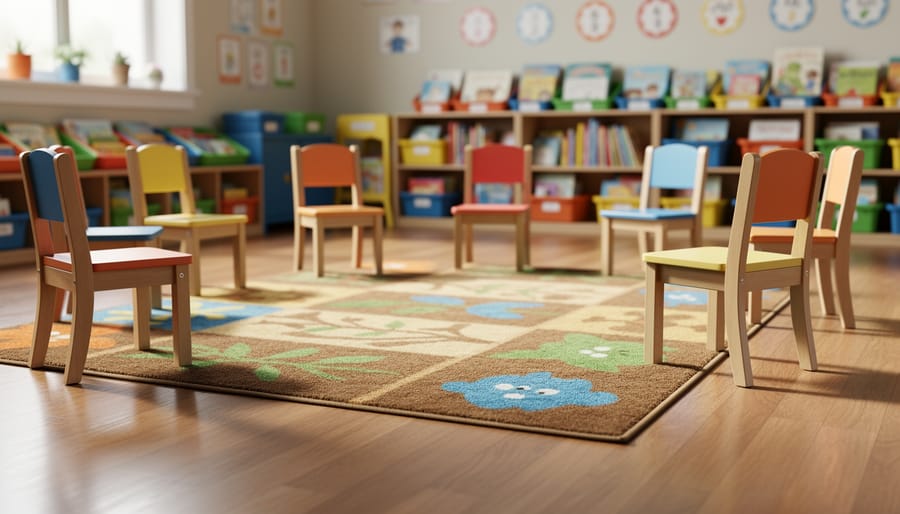
Choosing the right 4 x 6 classroom rug means finding a durable, safe, and easy-to-clean option that supports active learning while fitting the unique needs of the space and the children who use it. For educators, donors, and families setting up learning environments, this size strikes a practical balance: large enough for group activities or reading circles, yet compact enough to fit in smaller classrooms, community centers, or transitional housing where refugee families and children need welcoming, supportive spaces to grow.
The best 4 x 6 classroom rugs combine safety-tested materials (like nylon or low-pile synthetic fibers) with features like slip-resistant backing, machine-washable construction, and educational designs that spark curiosity. Whether you’re furnishing a school, donating to a community program, or creating a cozy corner for children in a family shelter, the right rug does more than protect floors. It creates a defined, comfortable gathering spot where kids feel seen and supported.
In 2026, quality options range from budget-friendly washable rugs around $50 to premium educational designs near $100, each offering different trade-offs in durability, design, and cleaning ease. This guide walks you through the key factors to consider, compares the main rug types available, recommends specific models with verified pricing, and highlights common mistakes that waste resources or compromise safety. Our goal is simple: help you make a confident, resource-conscious choice that serves vulnerable populations and builds stronger, more inclusive learning spaces across Toronto and beyond.
Why Size Matters: The 4 x 6 Classroom Rug Sweet Spot
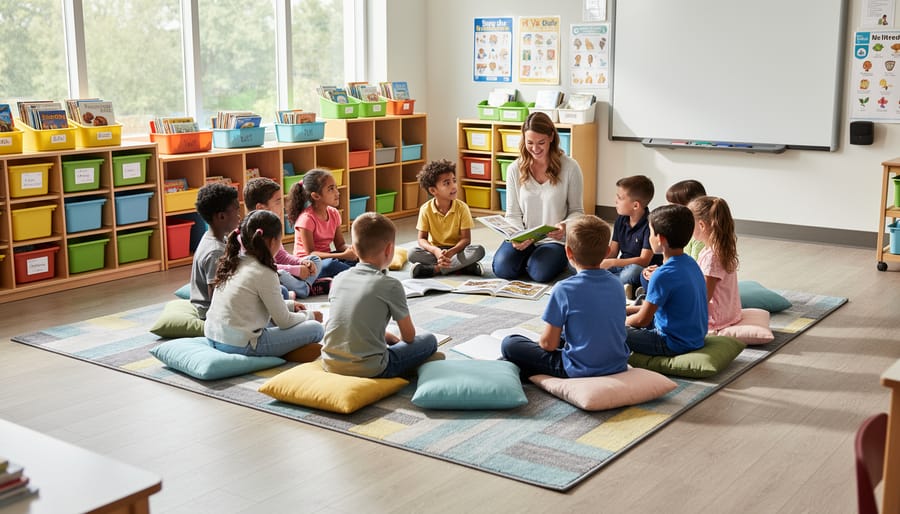
A 4 x 6 rug hits a practical sweet spot for learning spaces. It’s large enough to seat four to six children comfortably for story time or group activities, yet compact enough to fit in corners, alcoves, or transitional housing classrooms where every square foot matters. This size works beautifully in reading nooks, small group instruction areas, and the corner spaces common in shelter classrooms and community learning centers.
For organizations furnishing community spaces, this dimension offers real advantages. It’s manageable for one person to move or clean, which helps volunteers and staff maintain donated items without heavy lifting. The rug defines a clear learning zone without overwhelming small rooms, and it’s substantial enough to anchor a space but small enough to roll up for storage when multipurpose rooms need to shift between activities.
In transitional housing and shelter settings, where families often share communal learning areas, a 4 x 6 rug creates a defined, welcoming spot for children without monopolizing the room. It signals “this is your space for learning” while leaving floor space for other essential activities. When you’re setting up classrooms with donated furnishings, this size strikes the balance between creating a meaningful learning environment and respecting the reality of limited square footage. For more comprehensive guidance on selecting rugs for educational settings, see our full classroom rug buying guide.
What to Look for When Choosing Your Classroom Rug
Materials That Stand Up to Daily Use
Nylon stands out as the workhorse material for classroom rugs, particularly commercial-grade nylon found in many institutional carpets. It resists crushing and matting even under constant foot traffic, bounces back after kids sit or walk on it repeatedly, and holds up to the spills and dirt that come with active learning spaces. Nylon also cleans more easily than other synthetics, most stains lift with spot treatment, and many nylon rugs handle regular vacuuming without shedding or losing their shape.
Polyester offers a softer feel and typically costs less than nylon, making it a popular choice when budgets are tight. It resists fading and holds color well, which matters for educational rugs with bright maps or alphabet designs. However, polyester crushes more easily under heavy use and can pill or mat in high-traffic zones, so it works best for lower-traffic reading corners rather than whole-group gathering spots.
When you choose the right rug for a community classroom or donated learning space, look for tufted construction with tight loops or a dense pile. These features extend the rug’s life and make it easier to clean, both critical when the rug needs to serve children and families for years, not just months.
Safety Features You Shouldn’t Skip
When you’re choosing a rug for a classroom or community space where children spend time, safety features matter just as much as appearance or price.
Start with fire safety. Look for rugs that meet Class 1 or Class A fire ratings, which means they resist flames and won’t contribute to rapid fire spread. This is especially important in schools and shelters where building codes often require it.
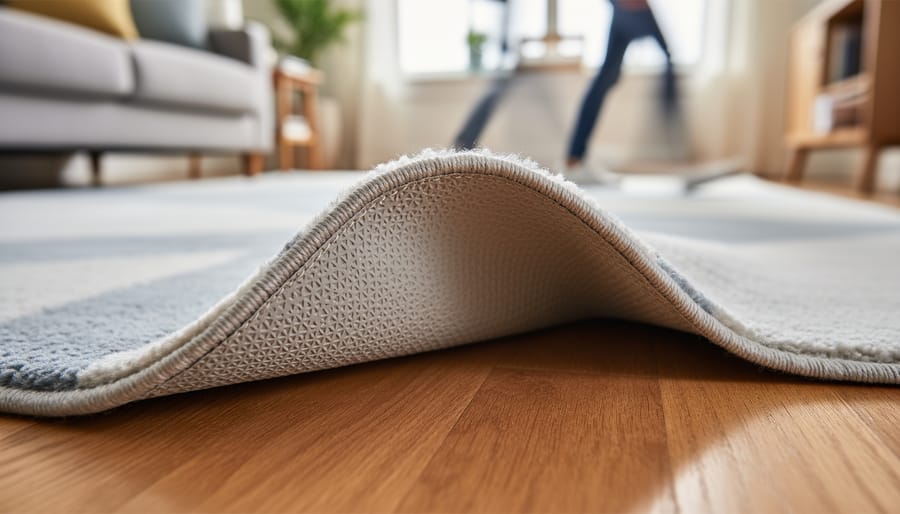
Non-slip backing is non-negotiable. A rug that slides underfoot creates tripping hazards for kids rushing to circle time or adults carrying donations. Quality rugs use rubber or vinyl backing that grips the floor without adhesives.
Indoor air quality certifications like Oeko-Tex Standard 100 confirm the rug is free from harmful chemicals that off-gas into spaces where children breathe and play. This matters even more in community settings where families may have sensitivities or respiratory issues.
Finally, check the edges. Look for reinforced options like 3-ply edges that resist fraying and curling, which prevents trips and extends the rug’s usable life in high-traffic areas where budgets are tight.
Cleaning and Maintenance Considerations
In community spaces and classrooms serving families in transition, cleaning requirements can make or break a rug’s usefulness. A rug that demands professional cleaning becomes a burden for programs running on tight budgets, while easy-care options free up resources for other needs.
Stain resistance is your first defense. Look for rugs with built-in stain protection or treated fibers that repel spills rather than absorb them. Nylon fibers naturally resist staining better than untreated polyester, which matters when you’re dealing with art projects, snacks, and daily use by dozens of children. The difference between wiping up a spill and scrubbing a permanent mark can determine whether a rug lasts two years or ten.
Washability varies dramatically. Some rugs can go straight into a commercial washer, while others require spot-cleaning only. Machine-washable options like the Hazo Haus model at $53.43 offer real advantages for programs without cleaning budgets, though you’ll need access to a large-capacity washer. Most classroom rugs handle vacuuming and spot treatment with carpet cleaner, which works for regular maintenance but means permanent stains eventually add up.
Consider pile height too. Low-pile rugs trap less dirt and dry faster after cleaning than plush, high-pile options. For community spaces where quick turnaround matters and deep cleaning happens rarely, a tight, low pile keeps rugs looking presentable longer between thorough cleanings.
Types of 4 x 6 Classroom Rugs Compared
When you’re furnishing a classroom or community learning space, understanding the different rug categories helps you choose one that genuinely serves your needs rather than just what catches your eye first. The three main types of 4 x 6 classroom rugs each solve different problems for educators and the families we support.
Educational rugs feature printed designs like world maps, alphabets, number grids, or seating circles. These rugs double as teaching tools, turning floor time into learning opportunities. The Flagship Carpets Modern World Map Classroom Rug at $99.99 exemplifies this category, it teaches geography while defining a gathering space. Educational rugs work beautifully in early childhood programs, ESL classrooms, and community centers where children need visual reinforcement of concepts. They’re particularly valuable when you’re setting up donated classrooms for families transitioning from shelters, since one piece serves multiple purposes. The trade-off is that busy patterns can feel dated after a few years, and some children find them overstimulating during quiet activities.
Neutral or solid color rugs provide a calm backdrop that doesn’t compete with other classroom visuals. These rugs in beiges, grays, soft blues, or earth tones work in any setting and age gracefully as program needs change. They’re ideal for reading corners, sensory-friendly spaces, or multi-use community rooms where the rug needs to blend rather than dominate. Solid rugs typically cost slightly less than educational designs and photograph better when spaces need to look professional for donors or community partners. However, they don’t offer the teaching value that printed rugs provide.
Washable and indoor-outdoor rugs prioritize easy maintenance over everything else. The Hazo Haus Washable 4×6 Kids Rug for Playroom at $53.43 represents this category, rugs you can hose down or machine wash when accidents happen. These rugs make sense for toddler spaces, art areas, snack zones, or any program serving children still mastering self-care skills. For families with limited cleaning resources or community spaces without professional janitorial services, washable rugs remove a significant barrier. They’re lighter weight and dry faster than traditional classroom rugs, though they may sacrifice some cushioning and durability compared to commercial-grade nylon options.
| Rug Type | Best Use Case | Typical Materials | Cleaning Method | Price Range |
|---|---|---|---|---|
| Educational (maps, alphabets) | Early learning, ESL programs, multi-purpose teaching | Nylon, polyester | Vacuum and spot clean | $80, $120 |
| Neutral/Solid Color | Reading corners, sensory spaces, flexible community rooms | Nylon, wool blends | Vacuum and spot clean | $60, $110 |
| Washable/Indoor-Outdoor | Toddler areas, art spaces, high-mess zones | Polypropylene, recycled materials | Machine or hose wash | $50, $90 |
The right category depends on your specific situation. A donated classroom serving kindergarteners benefits from an educational rug that guides circle time and teaches concepts. A shelter’s quiet reading space needs a neutral rug that calms rather than stimulates. A community playroom with snack time and crafts calls for something you can actually wash. Match the rug type to how children will use the space and who will maintain it, not just what looks appealing in photos.
Recommended Options for Different Needs and Budgets
Finding the right 4 x 6 classroom rug means balancing your budget with the real-world demands of your space. Whether you’re setting up a donated classroom, furnishing a community learning center, or choosing rugs for families moving into stable housing, these recommendations help you make choices that serve children and educators well.
For community programs working with tight budgets, the Hazo Haus Washable 4×6 Kids Rug at $53.43 offers practical value. Its washable design means spills and accidents don’t become permanent problems, which matters when you’re furnishing spaces with limited replacement funds. This option works well for playrooms, reading corners in transitional housing, and multipurpose community spaces where flexibility beats specialized features.
If your focus is educational value and you have a bit more budget flexibility, the Flagship Carpets Modern World Map Classroom Rug at $99.99 brings teaching opportunities into the floor covering. This nylon rug features a detailed world map that turns floor time into geography lessons. Made in the USA with medium pile height and tufted construction, it includes 3-ply edges for extra strength, which means it stands up to daily use in high-traffic learning environments. With a 4.3-star rating from 34 reviews and Amazon’s Choice designation, it delivers on both durability and educational purpose. The machine-made construction keeps costs reasonable while meeting institutional quality standards.
For high-traffic areas where durability matters most, look for commercial-grade nylon construction with reinforced edges. The investment in quality materials pays off when a rug serves multiple families over several years rather than needing replacement after one school year. Fire safety ratings and non-slip backing aren’t optional in these settings.
When maintenance ease is your top priority, rugs with stain-resistant treatments and low pile heights clean faster and dry quicker. This matters in community spaces where staff time is stretched thin and quick turnarounds between programs are necessary. A rug that needs professional cleaning twice a year costs more over its lifetime than one you can spot-clean with basic supplies.
Consider asking for specific rug types in donation drives. Donors often want to contribute items that make a real difference, and quality classroom rugs fit that need while serving children in meaningful ways.
Common Mistakes to Avoid When Buying Classroom Rugs
When you’re furnishing a classroom or community space with limited resources, every purchasing decision matters. A rug that seems like a bargain can quickly become a safety hazard or a maintenance headache. Here are the most common mistakes that trip up well-meaning educators and community organizers:
- Skipping non-slip backing to save a few dollars, then dealing with slips, bunching, and constant readjustment
- Ignoring fire safety ratings because they seem like technical details, not realizing many spaces require Class 1 or CRI-rated products
- Choosing thick, plush pile heights that look cozy but make wheelchairs and rolling chairs nearly impossible to maneuver
- Overlooking cleaning requirements and buying rugs that can’t be spot-cleaned or vacuumed effectively in high-traffic areas
- Focusing solely on the lowest price without calculating replacement costs when a cheap rug wears out in months
The pile height mistake deserves special attention. A rug with pile over half an inch might feel soft underfoot, but it creates real accessibility barriers for children using mobility devices and makes it harder for kids to move between activities smoothly. Community spaces serving diverse populations need to prioritize function alongside comfort.
Price-only decisions hurt the most in the long run. That $30 rug might seem responsible when you’re stretching donated funds, but if it starts shedding fibers after two months or the edges fray and become tripping hazards, you’ve wasted money that could have gone toward a mid-range option like the Flagship Carpets Modern World Map at $99.99 or the Hazo Haus Washable option at $53.43. Both offer better durability for spaces that can’t afford frequent replacements.
Fire safety ratings aren’t bureaucratic red tape. They’re essential when you’re creating spaces where children gather, especially in older buildings or transitional housing where building codes matter and safety inspections are routine. A rug that fails inspection becomes an expensive mistake and a delay in opening your space to the families who need it.
Caring for Your Classroom Rug: Cleaning and Maintenance Tips
A classroom rug that serves dozens of children every day needs consistent care to stay safe, clean, and welcoming. For community programs and donated classroom setups where resources are limited, proper maintenance isn’t just about appearance. It’s about protecting your investment and ensuring the rug lasts for years of learning and play.
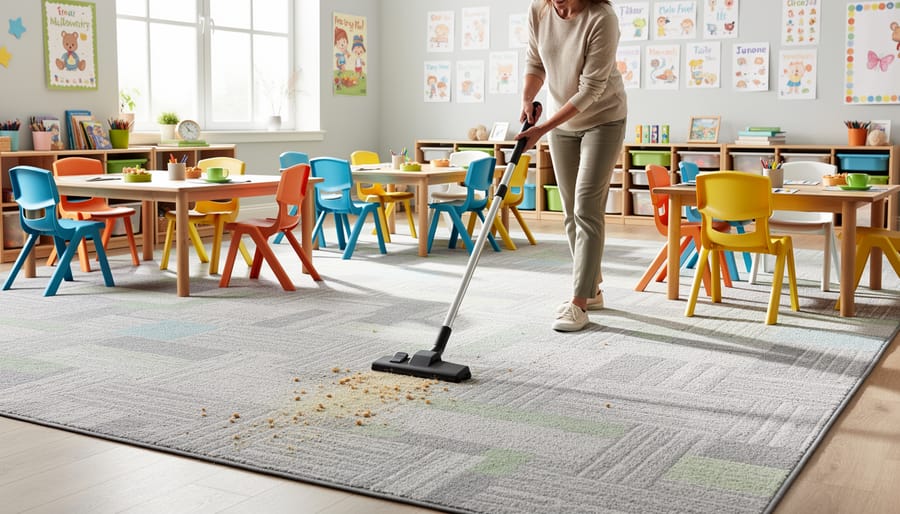
Start with daily attention. At the end of each day, shake out or sweep the rug to remove surface debris like crumbs, dirt, and craft materials. This simple habit prevents grit from working into the fibers, which causes premature wear. Vacuum at least twice a week in moderate-use areas, more often in high-traffic spots. Use a vacuum with adjustable height settings to avoid damaging the pile, especially on tufted rugs with medium pile heights.
Spills happen constantly in classrooms. Address them immediately by blotting (never rubbing) with a clean, absorbent cloth. For sticky substances or stains, use a damp cloth with mild soap, working from the outside of the stain toward the center. Avoid harsh chemicals that can damage fibers or leave residues. If your rug is washable, spot-clean first before considering a full wash, and always follow the manufacturer’s instructions.
Deep cleaning depends on use and material. Commercial-grade nylon rugs typically need professional steam cleaning once or twice a year. Washable options like indoor-outdoor rugs can go in a machine or be hosed down outside, though check weight limits and drying requirements first.
Rotate your rug every few months to distribute wear evenly across the surface. This prevents permanent traffic patterns and extends the rug’s useful life. For community spaces serving families in transition, these simple maintenance practices mean one quality rug can support countless children rather than needing frequent replacement.
Frequently Asked Questions
Most people buying classroom rugs have the same practical questions, especially when outfitting community spaces or classrooms on a budget. Here are straightforward answers to help you make informed decisions.
Can 4 x 6 classroom rugs be machine washed?
Some can, but most cannot. Washable options like the Hazo Haus model are specifically designed for machine washing, while traditional nylon classroom rugs require spot cleaning or professional cleaning. Always check the manufacturer’s care instructions before attempting to wash any classroom rug.
What’s the difference between tufted and woven classroom rugs?
Tufted rugs have fibers punched through a backing material and secured with adhesive, making them more affordable and common in classrooms. Woven rugs have fibers interlaced throughout, creating a more durable but pricier option. For most community spaces and classrooms, tufted rugs offer the best balance of durability and cost.
How do I prevent my classroom rug from slipping?
Choose rugs with non-slip backing built in, or add a separate rug pad underneath. Many commercial classroom rugs come with rubber or latex backing that grips the floor. For donated rugs without this feature, an inexpensive non-slip pad makes them safe for children.
How long should a quality 4 x 6 classroom rug last?
A well-made classroom rug with proper care typically lasts three to five years in high-traffic settings. Commercial-grade nylon rugs with reinforced edges tend to outlast budget options, making them a smarter long-term investment for community programs serving multiple groups of children.
When it comes to certifications, look for fire safety ratings that meet local building codes and indoor air quality certifications like Oeko-Tex if you’re concerned about chemical exposure. The Flagship Carpets Modern World Map rug meets US standards testing, which gives you peace of mind in educational settings.
For pile height, medium pile works well for most classroom activities. It’s low enough for children using wheelchairs or walkers to navigate easily, yet thick enough to provide cushioning for floor activities. Avoid high-pile rugs in classrooms where kids will be rolling toy cars, using wheeled chairs, or doing activities that require a stable surface.
If you’re donating rugs to community programs or shelters, prioritize durability and cleanability over decorative features. A solid-color or simple pattern rug with stain-resistant treatment and reinforced edges will serve more children over time than a delicate decorative piece that requires special care.
Choosing the right 4 x 6 classroom rug isn’t just about filling floor space. It’s about creating a foundation for learning, safety, and comfort that children deserve. When you select a rug with proper backing, durable materials, and easy maintenance in mind, you’re investing in a space where kids can gather, explore, and grow without worry.
For families transitioning from shelters into stable housing, or community programs working with limited resources, quality classroom furnishings make a real difference. A well-chosen rug transforms a bare room into a welcoming learning environment. It provides a clean, defined space where children feel secure enough to participate, whether they’re learning letters, sharing stories, or simply finding a moment of calm.
If you’re looking to support children in your community, consider donating gently used or new classroom rugs to local shelters, transitional housing programs, or community centers. These spaces often furnish multiple learning areas on tight budgets, and your contribution helps create environments where families can rebuild their lives. Quality classroom furnishings aren’t luxuries, they’re tools that help vulnerable children access the stability and learning opportunities every child needs. Your thoughtful selection or donation genuinely matters.