
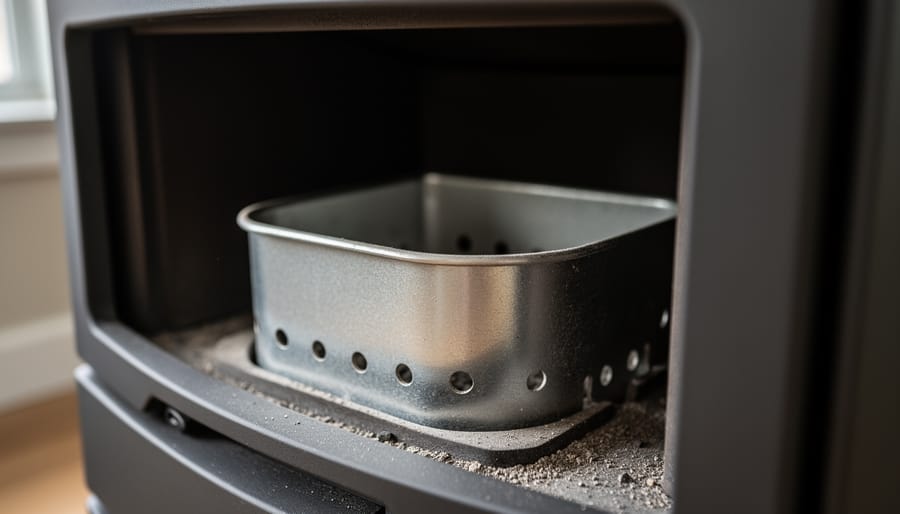
Nine times out of ten, a Harman pellet stove that won’t light has a dirty burn pot, a clogged vent path, or pellets that aren’t feeding. Start with the quickest check: let the stove cool, then look in the burn pot. If it’s crusted with ash or clinker, or the holes along the bottom look plugged, clean it out and try again. It takes two minutes and solves more cold-stove mornings than any repair.
If the pot is clean, check three more things in order: the hopper has fresh, dry pellets, the door and ash pan are fully latched, and no error code is flashing on the control board. Those simple checks cover most no-heat calls before anyone needs to open a toolbox.
We know how stressful a stove that won’t start feels when the house is cold and the heating bill is climbing. That’s a worry plenty of Toronto-area families share, and many are stretching every dollar to stay warm. So this guide moves from fast wins to a clear step-by-step process, then shows you how to keep it from happening again. If you want a refresher on the right order of operations, our guide to pellet stove start-up walks through it.
One firm line: if you smell gas or smoke, see scorching, or find damaged wiring, shut the stove down and call a certified technician. A warm home matters, but your safety matters more.
First, Figure Out What Your Stove Is Telling You: Symptom Triage
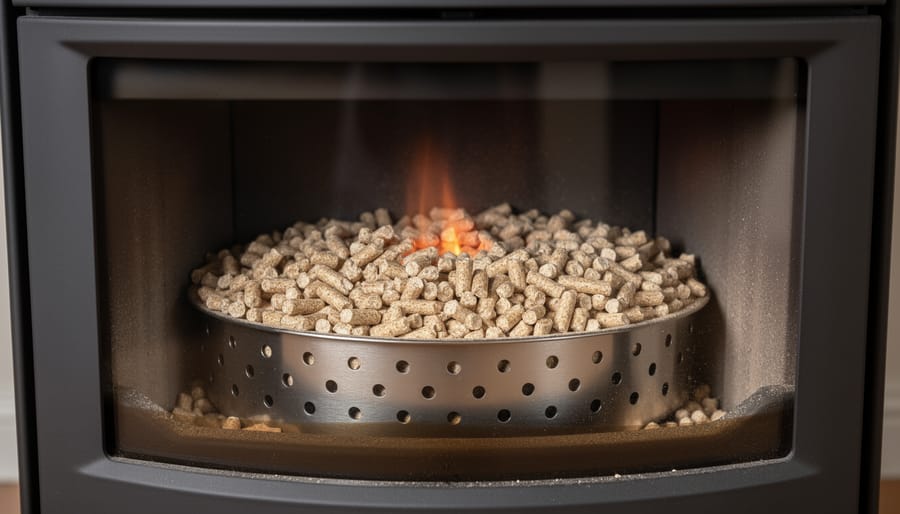
Before you start poking around, take a few minutes to simply watch what your stove does. Press the start button and stay close. Listen for the auger turning as it drops pellets into the burn pot, and for the fans spinning up. Look into the burn pot to see whether the igniter glows and whether the pellets catch or just sit there. Check the control panel for any blinking lights or codes.
Grab a pen and jot down what you notice, even small details like how long each stage lasted. This little record makes the next steps much easier, and it’s exactly what a technician will ask about if you need to call one.
Safety First Before You Touch Anything
Before you open a door or reach for a tool, take a breath. A few minutes of caution keeps a small start-up problem from becoming a big one, and these habits fall under the same home safety basics we’d follow for any household equipment.
Let the stove cool completely, since burn pots and metal surfaces stay hot longer than you’d expect. Then unplug it before you clean or inspect anything. If you notice smoke or a strong pellet smell, open a window and give the room fresh air. Never smell smoke without taking it seriously.
If anything feels beyond your comfort level, stopping is the wise choice.
Likely Causes Behind a Harman Pellet Stove That Won’t Light
Plain-English Glossary of Stove Parts
Before you start poking around, it helps to know what each part is called. Here are the ones you’ll run into most often while troubleshooting a stove that won’t light.
- Burn pot
- The small metal cup where pellets drop and burn. If it’s clogged with ash or hardened clumps, air can’t reach the pellets and they won’t catch.
- Igniter
- A heating element near the burn pot that glows hot to light the pellets. Think of it as the match that starts every fire.
- Auger
- A slowly turning screw that carries pellets from the hopper down into the burn pot.
- Hopper
- The storage bin on top or back of the stove where you pour in your pellets.
- Exhaust blower
- A fan that pulls air through the stove and pushes smoke out through the vent, keeping the fire fed with fresh air.
- Pressure (vacuum) switch
- A safety sensor that confirms air is moving properly. If it doesn’t sense enough airflow, it can stop the stove from starting.
- Ash pan
- The removable tray that collects ash. When it’s full or sitting crooked, it can disrupt airflow and the door seal.
You don’t need to memorize any of this. Just keep it handy as you work through the steps, and you’ll feel much more at ease knowing what each piece does and why it matters to a good start-up.
Step-by-Step Fix: Getting Your Harman Stove to Light Again
When It’s Time to Call a Professional
Some problems aren’t meant for a weekend fix, and knowing where to stop is a smart move, not a failure. Call a certified Harman dealer or technician if the igniter stays cold after you’ve cleaned the burn pot and checked the power. The same goes for error codes that keep coming back after a reset, or wiring that looks frayed, scorched, or loose.
Pay close attention to your senses, too. A strong burning-plastic smell, an electrical odor, or smoke spilling into the room means you should shut the stove down, let it cool, and step away. Persistent smoke spillage can point to a venting or draft problem that needs a trained eye.
If you’re still working out the basics, our guide on how to light a pellet stove safely can help you rule out simple start-up mistakes first.
There’s no need to feel embarrassed about picking up the phone. Asking for help is part of caring for your home and the people in it. A good technician has seen this a hundred times, and you’ll be back to a warm house sooner.
Preventing Start-Up Trouble: Simple Habits That Keep the Fire Coming
A warm home is something a whole community can share. If you’ve just gotten your stove running again, consider passing along what you learned to a neighbour who’s struggling with theirs, or sit down with an older relative and walk through a quick burn pot check together. Small acts like these keep people comfortable through the cold months. At Helping With Furniture, we care about that same sense of comfort, working to bring furnished, welcoming spaces to families who are starting over in their new homes.
Harman Pellet Stove Not Lighting: Common Questions
Why does my Harman stove keep shutting off right after it starts?
This is usually a sign the fire isn’t getting enough air or fuel to stay going. A clogged burn pot, ash buildup, a blocked vent, or damp pellets are common culprits, so work through the cleaning steps above before anything else.
How often should I clean the burn pot?
A quick look before every start-up is a great habit, and many owners scrape out the pot daily during heavy use. Your owner’s manual gives the right rhythm for your model.
Can damp pellets stop my stove from lighting?
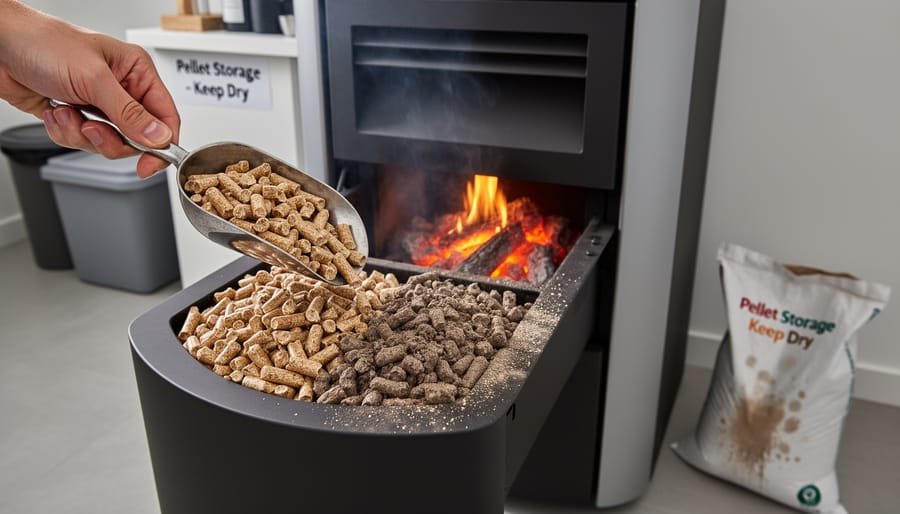
Yes. Pellets that have soaked up moisture burn poorly and can fail to catch at all. Keep them dry and off the floor, and swap in a fresh, dry bag if you suspect yours got wet.
Is it safe to try again right away after a failed start?
Not immediately. Let the stove cool, empty the burn pot of any unburned pellets, and make sure there’s no smoke or pellet smell in the room before you restart.
How do I know if the igniter has worn out?
If the igniter never glows or gets hot even after the burn pot area is clean and power is confirmed, it may have reached the end of its life. That’s a good moment to call a certified technician.
Do you need a technician for yearly servicing? For most people, yes, and it’s well worth it. A professional can inspect parts you can’t easily reach, like the blowers and internal passages, and catch small problems before they leave you with a cold house in the middle of winter. Booking before heating season starts means you’re not competing with everyone else scrambling in the first cold snap.
If you’ve worked through every step and your stove still won’t cooperate, please be kind to yourself. A stubborn stove isn’t a sign you did anything wrong, and asking for help is simply part of looking after a home.
And while you’re getting your home cozy again, you might be sorting through furniture or household items you no longer need. If that sounds like you, our guide to donation help can point you toward getting those pieces to neighbours who are starting over and would be grateful for them.
A stove that won’t light is frustrating, but it’s one of the most common and solvable problems Harman owners face. Start with the basics: power, settings and a full hopper. Then clean out the burn pot and ash trap, check that your pellets are dry and your airflow is clear, and take your time with each step. If the igniter stays cold or the error codes keep coming back, calling a certified technician is simply good care for your home and family.
A reliable start-up is the foundation of a warm, welcoming space, and that kind of comfort at home shouldn’t be out of reach for anyone. Many families in our community are just beginning to build theirs. If you’d like to help, consider donating gently used furniture or volunteering with Helping With Furniture, and help a neighbour feel at home.